
REACH STEM Program
Sailing education that builds scientific and technical thinking
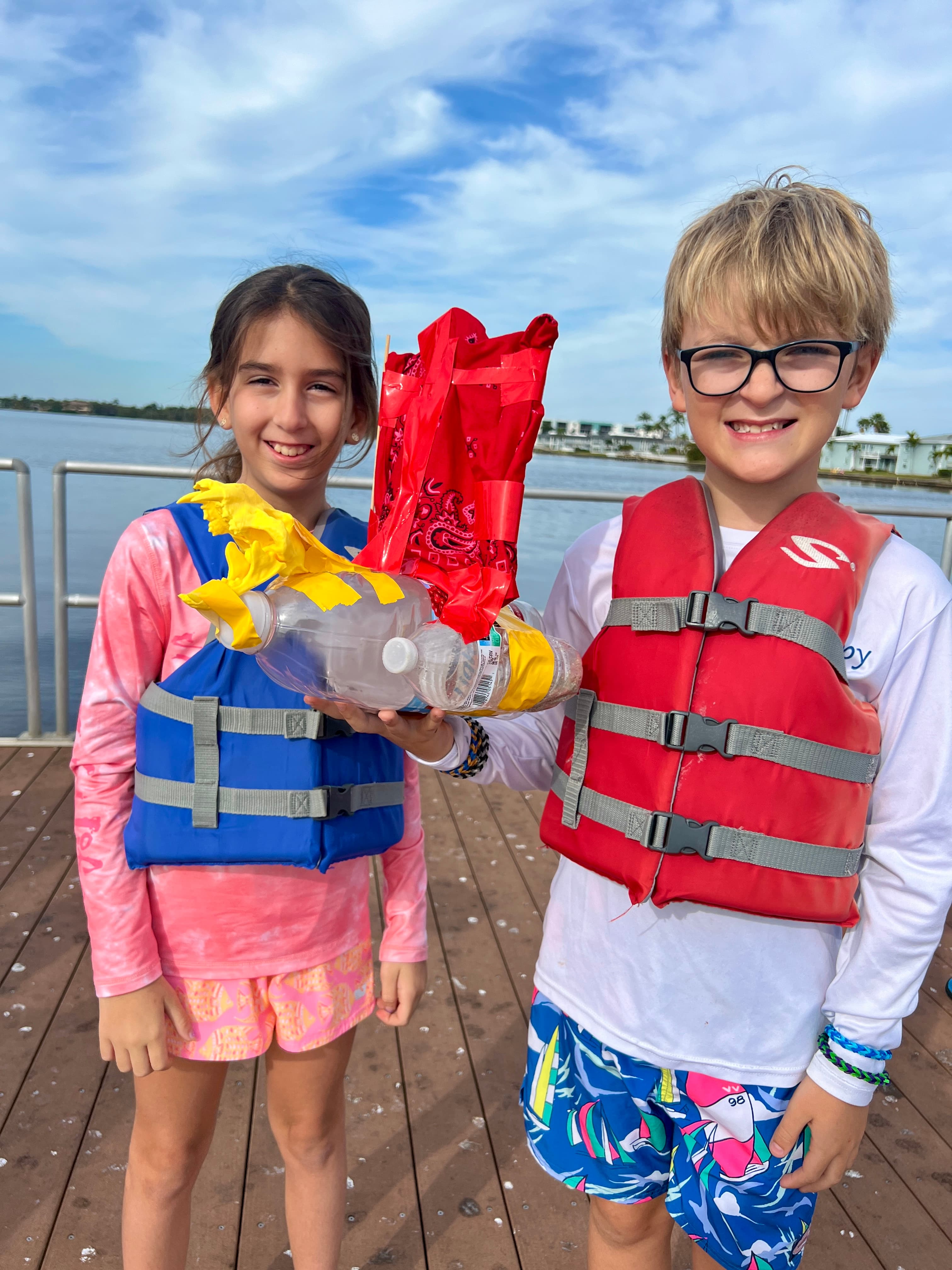
Edison Sailing Center implements US Sailing's Reach curriculum as part of our commitment to outreach, STEM education, and inclusive access to sailing. Reach uses sailing as a platform to teach science, math, teamwork, and environmental stewardship through hands-on, on-the-water learning. We incorporate an inquiry-based instructional curriculum both in outreach programs and with our own sailors, blending classroom concepts with real sailing experiences to reinforce problem-solving and confidence. Collaboration is enhanced through the use of the engineering by design process. By using Reach, we make sailing an engaging educational tool while helping students build skills that extend far beyond the boat.
How We Teach STEM Through Sailing
Why does the boat heel?
Physics — understanding forces, moments, and balance.
How do we navigate to our destination?
Mathematics — calculating distances, bearings, and currents.
What makes the wind change direction?
Science — atmospheric pressure, geography, and weather systems.
How is the boat designed to sail efficiently?
Engineering — hydrodynamics, aerodynamics, and structural optimization.
STEM Topics by Area
Science
- •Meteorology & wind patterns
- •Buoyancy & hydrodynamics
- •Marine ecosystems
- •Physics of sailing
Technology
- •GPS & electronic navigation
- •Marine electronics
- •Boat automation systems
- •Digital weather tools
Engineering
- •Boat design & hull shapes
- •Rig & sail design
- •Knot & rigging engineering
- •Marine structures
Mathematics
- •Navigation calculations
- •Tide & current prediction
- •Vector forces & angles
- •Distance & speed problems
Engineering by Design
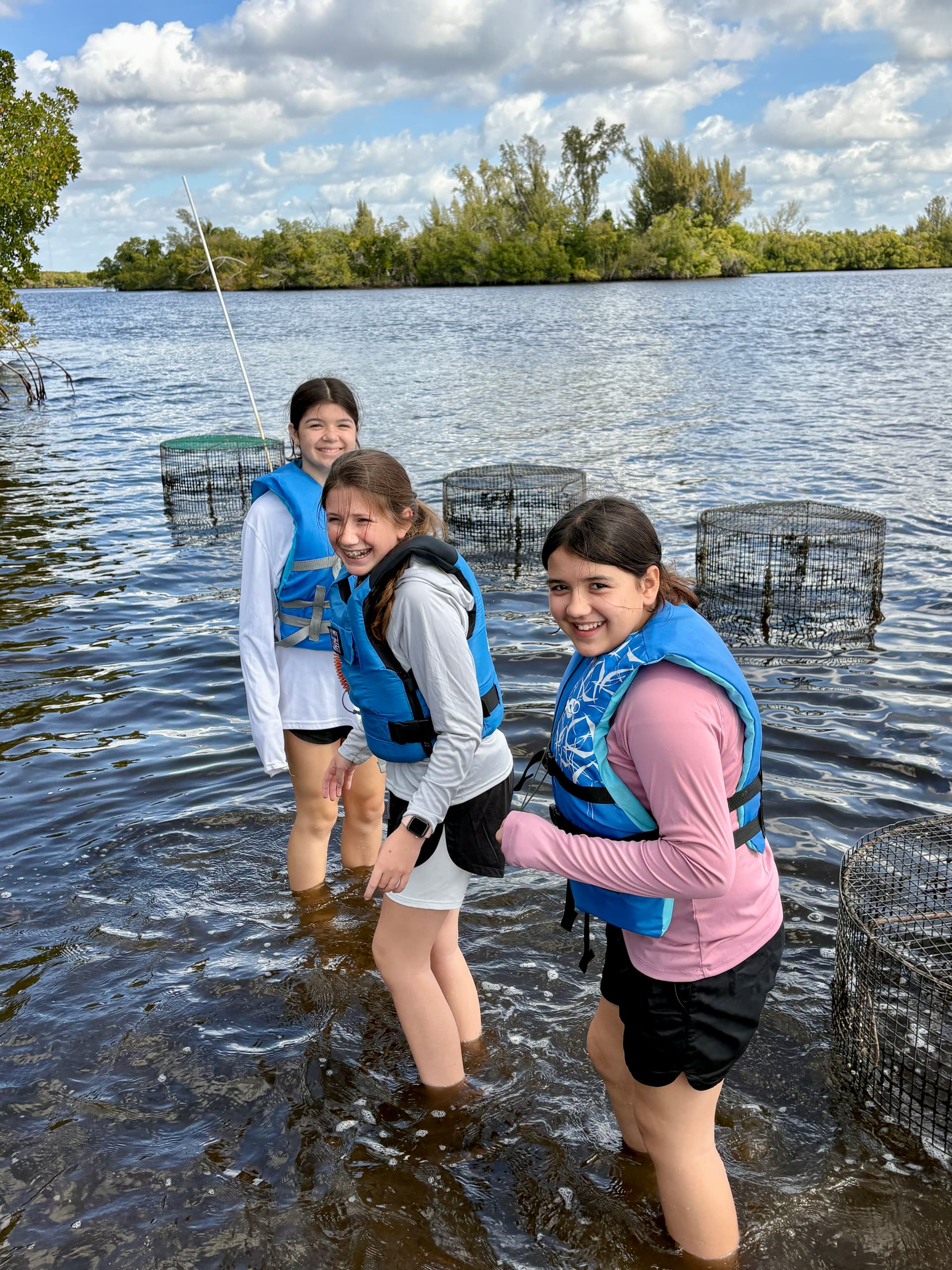
One of our signature REACH activities is "Engineering by Design," where students apply engineering principles to solve real boat problems:
- • How can we improve sail efficiency?
- • What's the best knot for this application?
- • How do we reduce drag and increase speed?
- • How can we make equipment more durable?